Bethléem verviétois: revitalising a tradition through participation and research
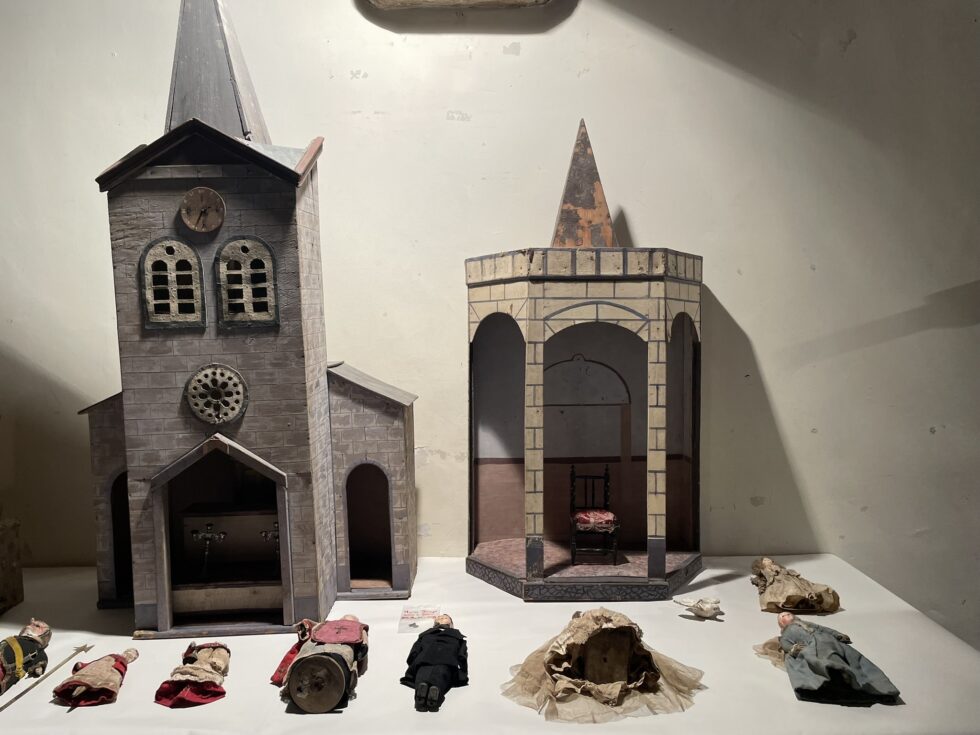
The Bethléem verviétois is a traditional puppet theatre from Verviers, combining a series of animated miniature scenes, the manipulation of figures by concealed puppeteers, and a narrative sung in Walloon depicting the Nativity and everyday life in the nineteenth century. Over generations, it has embodied a shared cultural memory, rooted in the identity of the city.

BELSPO
Fédération Wallonie-Bruxelles
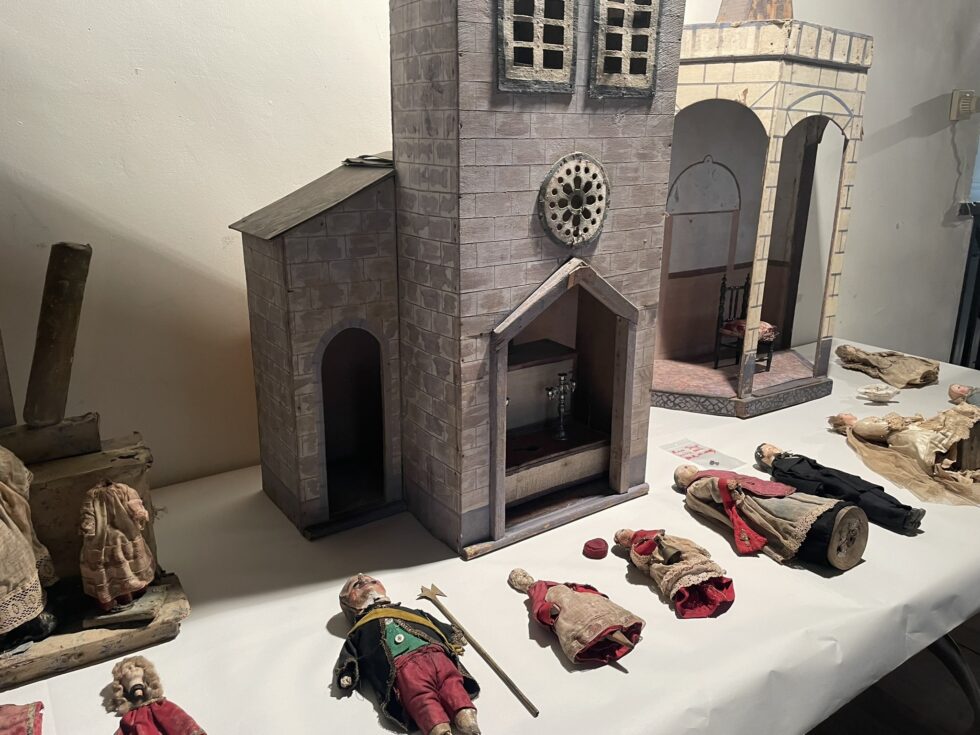
In July 2021, severe floods struck Verviers and damaged the Bethléem. The event revealed not only the fragility of its physical components, but also the vulnerability of the practices and forms of transmission that kept the tradition alive. In response, the Musées de Verviers, the Royal Institute for Cultural Heritage (KIK-IRPA), ESA Saint‑Luc Liège, and a wide network of local partners joined forces to initiate a collaborative project. Their ambition was not simply to restore damaged elements, but to revitalise the Bethléem through participatory, creative, and research‑based approaches.
Throughout the project (2023-2025), this collective effort contributed to broader reflections on safeguarding living heritage in times of environmental and social changes. It demonstrated that resilience depends not only on conserving objects, but also on sustaining the social dynamics and communities that give them meaning.
Project approach
The project highlighted how the Bethléem verviétois is both a tangible cultural object and a social practice. It brings together:
- tangible elements: puppets, mechanisms, scenography;
- intangible dimensions: narrative, music, dialect, manipulation, intergenerational engagement, social cohesion.
Revitalising the Bethléem proved to be a complex challenge. Its material components, performative nature, and community‑based transmission are deeply interconnected. Addressing this required an interdisciplinary approach bringing together conservation expertise, artistic practice, and active community involvement.
The project proposes a methodology structured around several guiding principles:
- The Bethléem was approached as a tradition, combining tangible and intangible dimensions that must be addressed together.
- The work starts from an existing context shaped by disruption, acknowledging the impact of the 2021 floods on both objects and transmission systems.
- Community participation was placed at its core, recognising the role of local actors in shaping, sustaining, and transmitting the tradition.
- Research, creative practice, and education were closely interconnected, ensuring that knowledge production is closely linked to practice and experience.
- A balance was sought between conservation and revitalisation, allowing the tradition to evolve while preserving its cultural significance and integrity.
- The project relied on a collaborative and interdisciplinary network of partners.

Participation and research framework
The methodology combined two complementary forms of engagement:
- open participation, involving the wider public;
- targeted engagement, structuring dialogue with stakeholders.
Open participation
Open participation aimed to reconnect the Bethléem with contemporary audiences and ensure that its future reflects diverse perspectives.
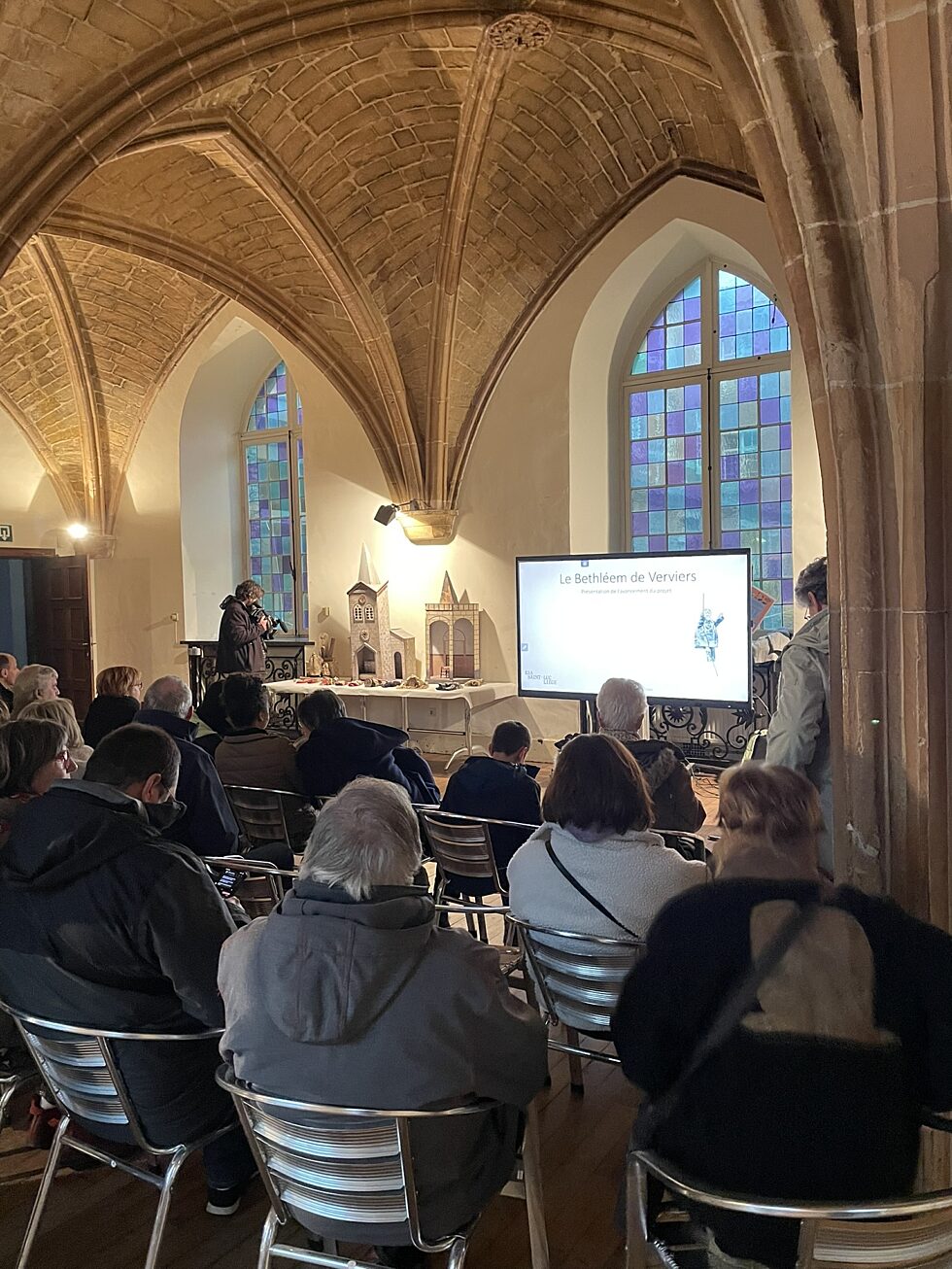
A survey conducted by KIK-IRPA and the Musées de Verviers provided insights into local perceptions, values, and expectations. In parallel, creative initiatives focused on the musical and linguistic heritage of the Bethléem, including the documentation and transmission of songs in the Walloon dialect.
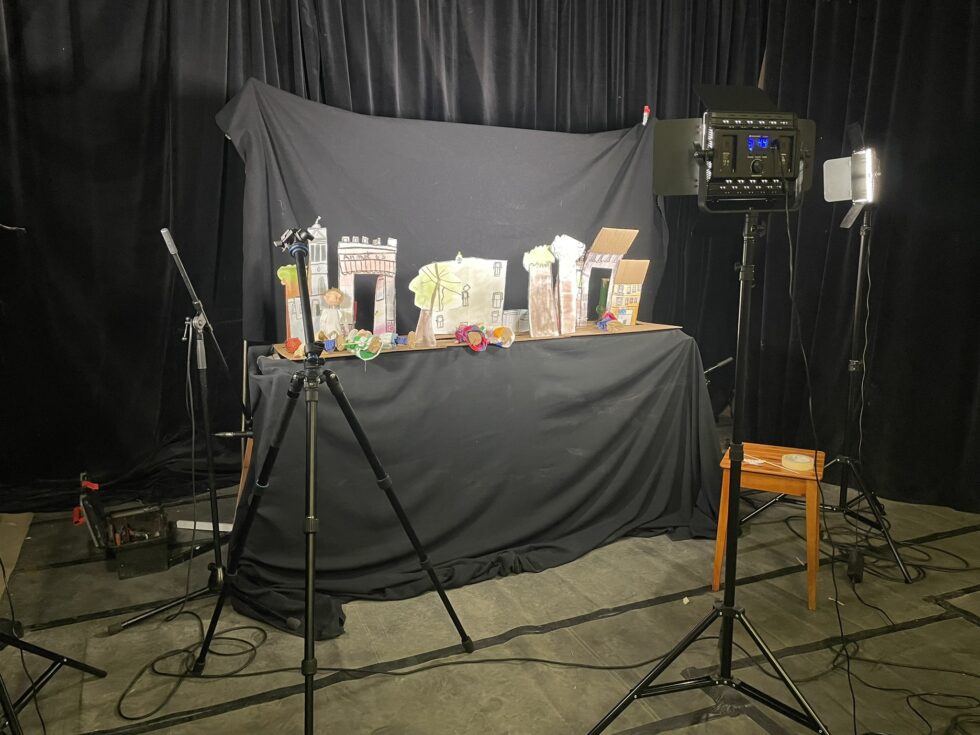
Collaboration with schools played a central role. Children from a flood affected neighbourhood participated in a creative process combining puppetry, storytelling, scenography, and music, leading to the co creation of a new playlet rooted in their lived environment.
This approach fostered engagement, intergenerational exchange, and a sense of ownership, while also highlighting the importance of mediation, inclusivity, and sufficient time for meaningful participation.
Targeted Engagement
Targeted engagement focused on structuring reflection around conservation and safeguarding decisions.
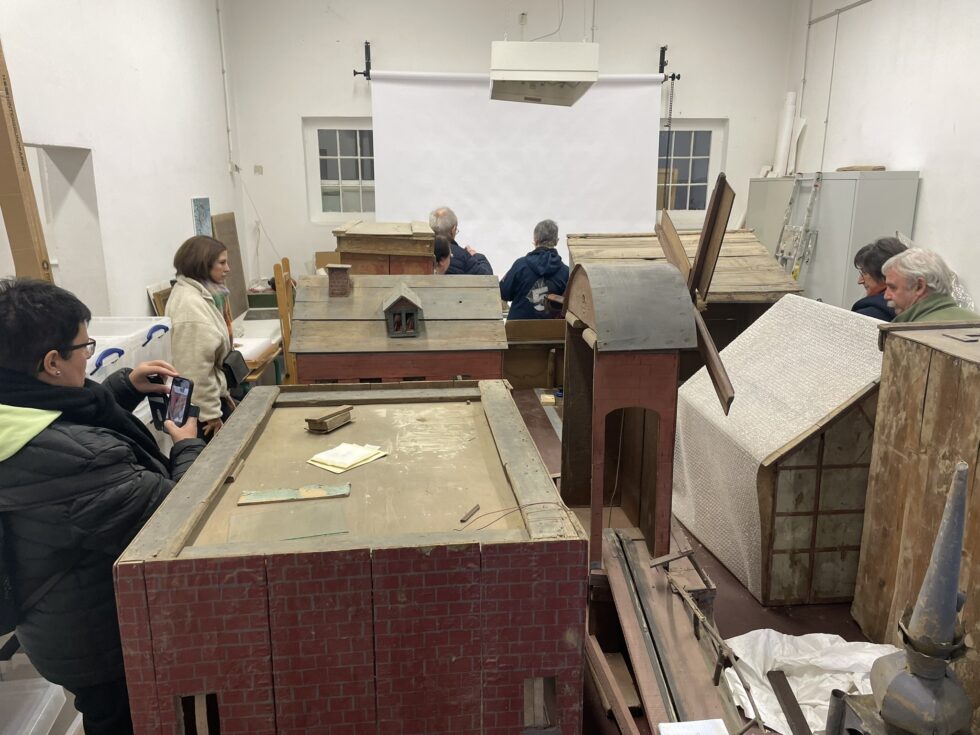
Following the floods, damaged tangible elements of the Bethléem were entrusted to ESA Saint-Luc Liège, where students in conservation-restoration began studying and stabilising them within a pedagogical framework (2021-2025). A full restoration phase is planned from 2026.
To guide this process, the Musées de Verviers, ESA Saint‑Luc Liège, and KIK‑IRPA brought together a representative group of stakeholders, including museum professionals, local associations, community representatives and heritage experts. Through participatory workshops, they addressed a central question: how can the Bethléem be restored while preserving both its material integrity and its social and cultural role?
This dialogue helped balance conservation needs with community expectations, reinforcing transparency, legitimacy, and collective responsibility.

Outcomes and insights
The project demonstrated that safeguarding a tradition requires integrated approaches combining conservation, participation, and creative practice.
What worked:
- Strong articulation between research, participation, and artistic practice.
- Active involvement of communities and stakeholders.
- Reconnection of the tradition with contemporary contexts.
- Effective intergenerational transmission through hands‑on activities.
Challenges identified:
- Ensuring long‑term continuity beyond the project.
- Balancing creative reinterpretation and perceived authenticity.
- Clarifying the role of documentation versus live transmission.
One key insight emerged clearly: a tradition does not survive because it is recorded, but because it is practiced.
An important output of the project was the Guide méthodologique pour la prise en charge d’objets culturels à portée immatérielle en contexte de crise, addressing heritage management in crisis situations. (This document is currently available in French only. The English version will be available soon.)
Towards future research and practice
The project highlighted several areas for further reflection:
- the long‑term impact of participatory approaches;
- inclusive mediation strategies;
- the relationship between documentation and embodied practice.
More broadly, it pointed to the need for adaptive and resilient heritage strategies, capable of addressing both material conservation and the continuity of living cultural processes.
More information
Related publications
- Marique, L. & Zurstrassen, C. (2025). “Revitalising the Bethlehem of Verviers: Interconnection between Intangible Cultural Heritage and Post‑Disaster Recovery”, Bulletin 40 of the Royal Institute for Cultural Heritage (KIK-IRPA). CHrisis. Cultural Heritage in Crisis: Impact of the July 2021 Floods and Strategies for Resilience, 2025.
- Marique, L., Broers, N. & Zurstrassen, C. (2026). “Décider ensemble du devenir d’un patrimoine sinistré : le cas du Bethléem verviétois après les inondations”, Technè 61 (forthcoming).
Affiliated project
CHrisis ‒ Protecting Heritage in Crisis Situations
Following the July 2021 floods affecting more than 250 heritage sites, KIK‑IRPA coordinated a cross‑sectoral response. The CHrisis project builds on this experience to improve recovery processes, risk preparedness, and crisis management strategies.
-
Project
CHrisis: Protecting Heritage in Crisis Situations
Discover this projectWhen, heavy flooding in July 2021 impacted more than 250 heritage sites, the KIK-IRPA, in close cooperation with the relevant regional organisations, has coordinated a cross-sectoral response. In follow-up, the Cultural Heritage in Crisis (CHrisis) project works on recovery actions as well as on improving risk preparedness and management for the affected sites.


PRISM - Preservation & Research through Innovative Sample Management
The project PRISM aims to inventory, document, and digitally valorise heritage sample collections. By applying FAIR principles and a modern digital infrastructure, the data will become accessible, interoperable, and reusable for research, conservation, and public valorisation.
